
THE POTENTIAL OF TCEs IN mAPMR PROSTATE CANCER
TCE technology is an established immunotherapy approach that works differently from immune checkpoint inhibitors.3
How do TCEs work?
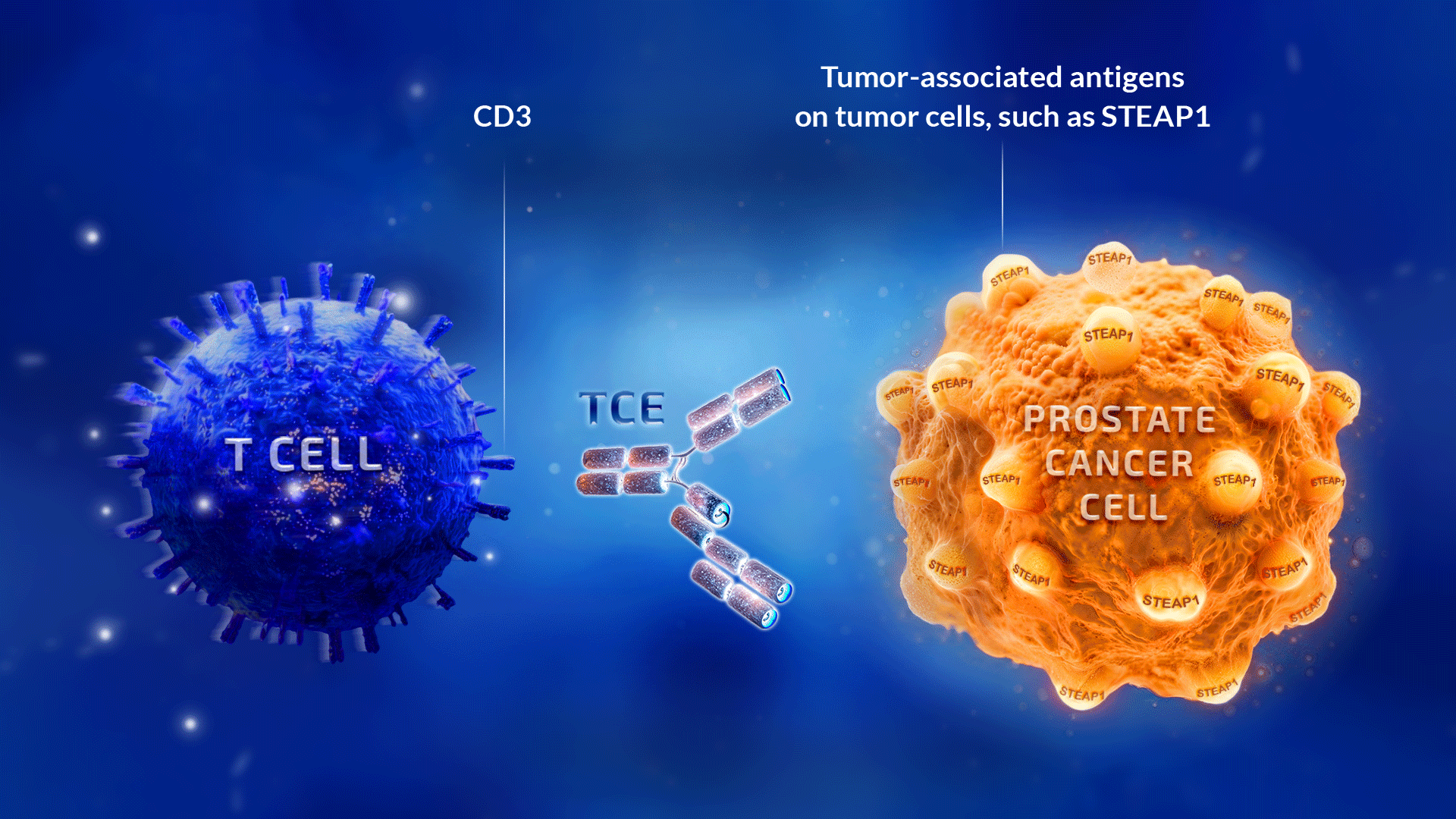
How do TCEs work?
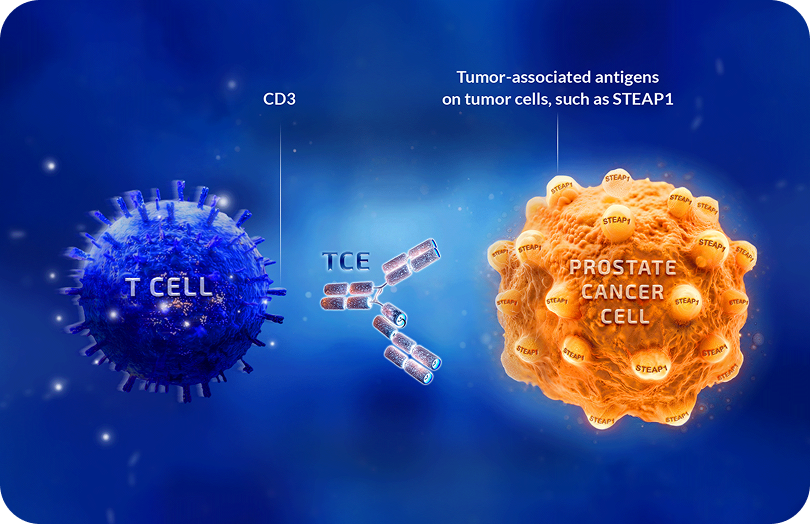

TARGET
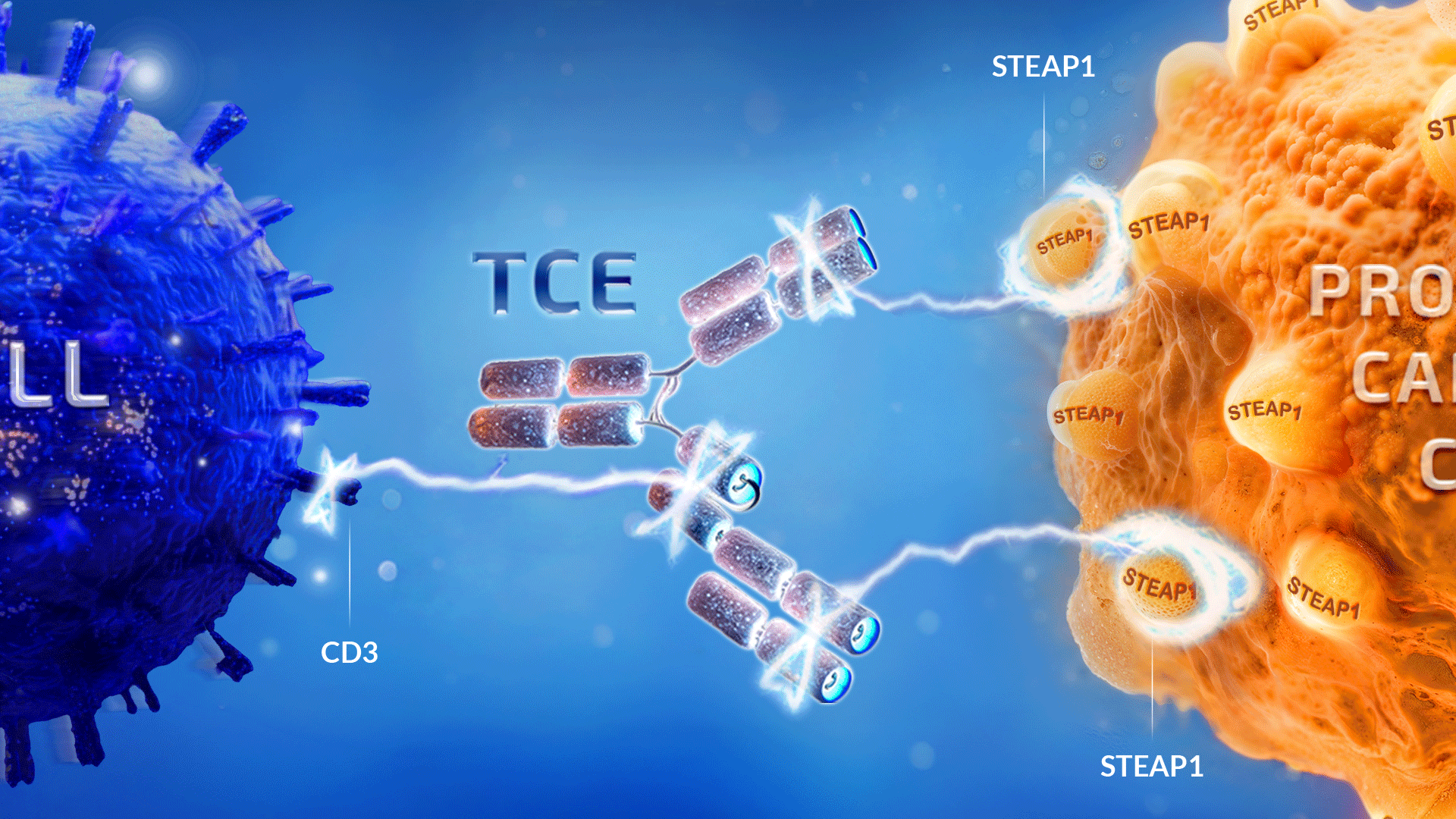
TCEs are molecules designed to bind to both T cells and tumor cells3,4
The targets:
- CD3 on T cells
- Tumor-associated antigens on tumor cells, such as STEAP1
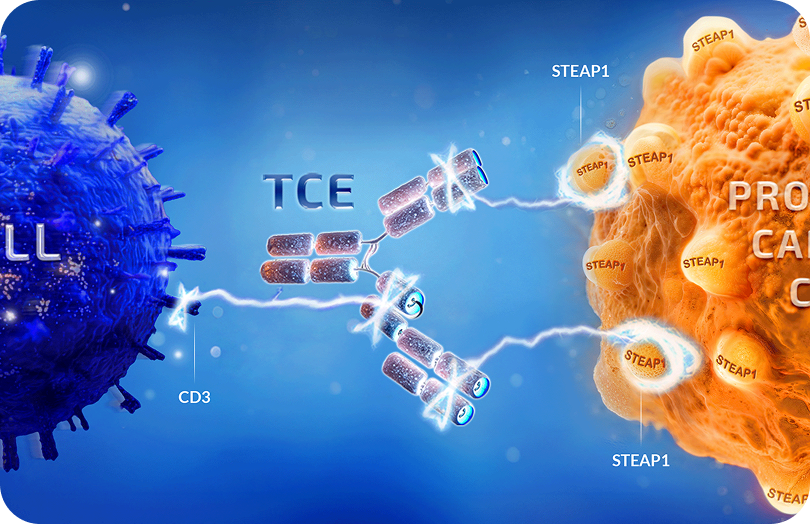

ACTIVATE
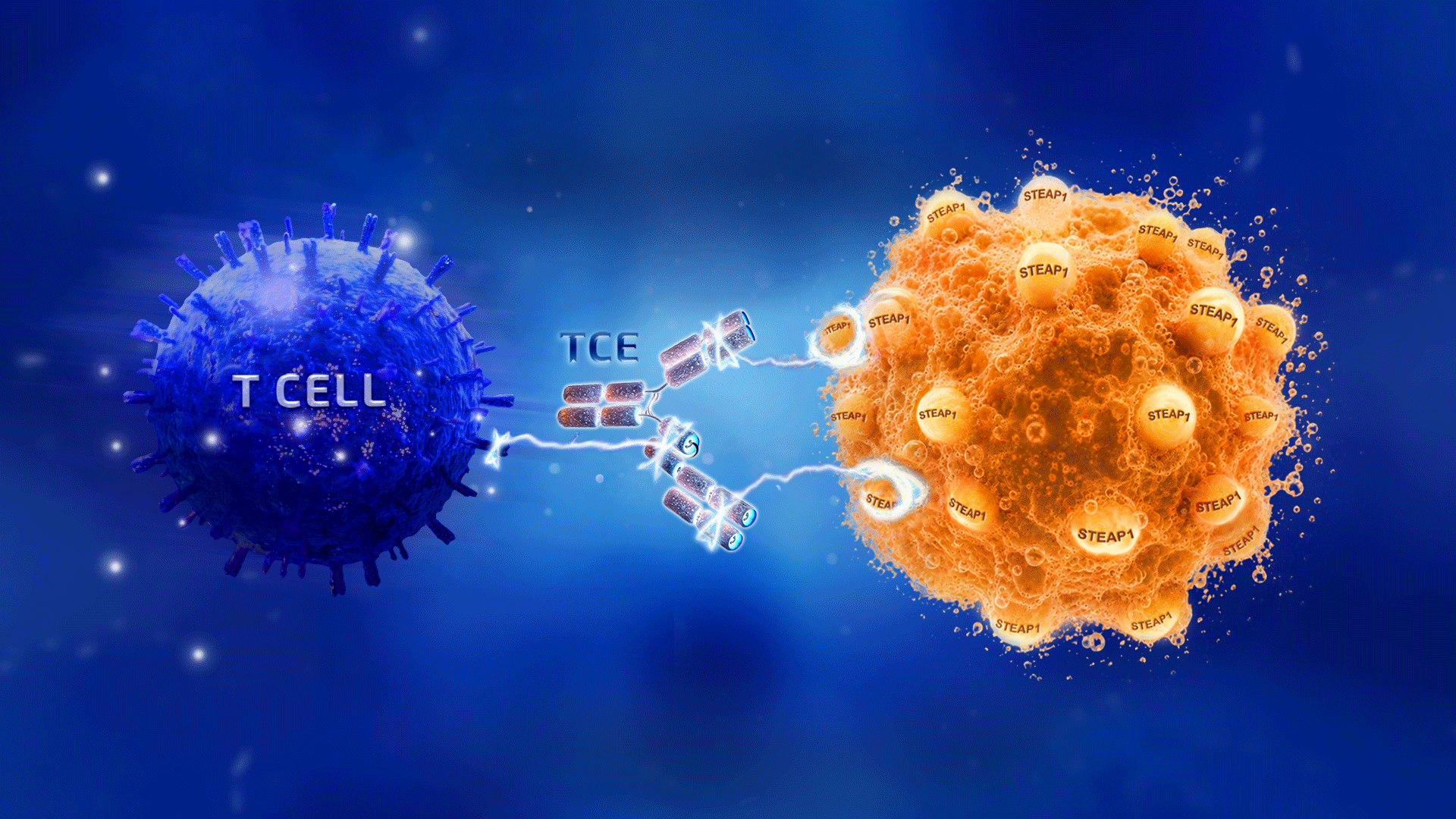
TCEs create an immunological synapse between T cells and tumor cells, which activates the T cells5
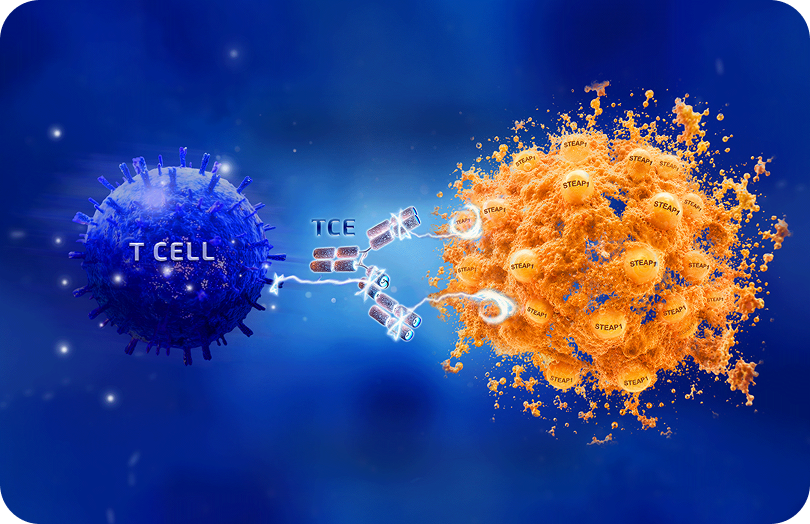

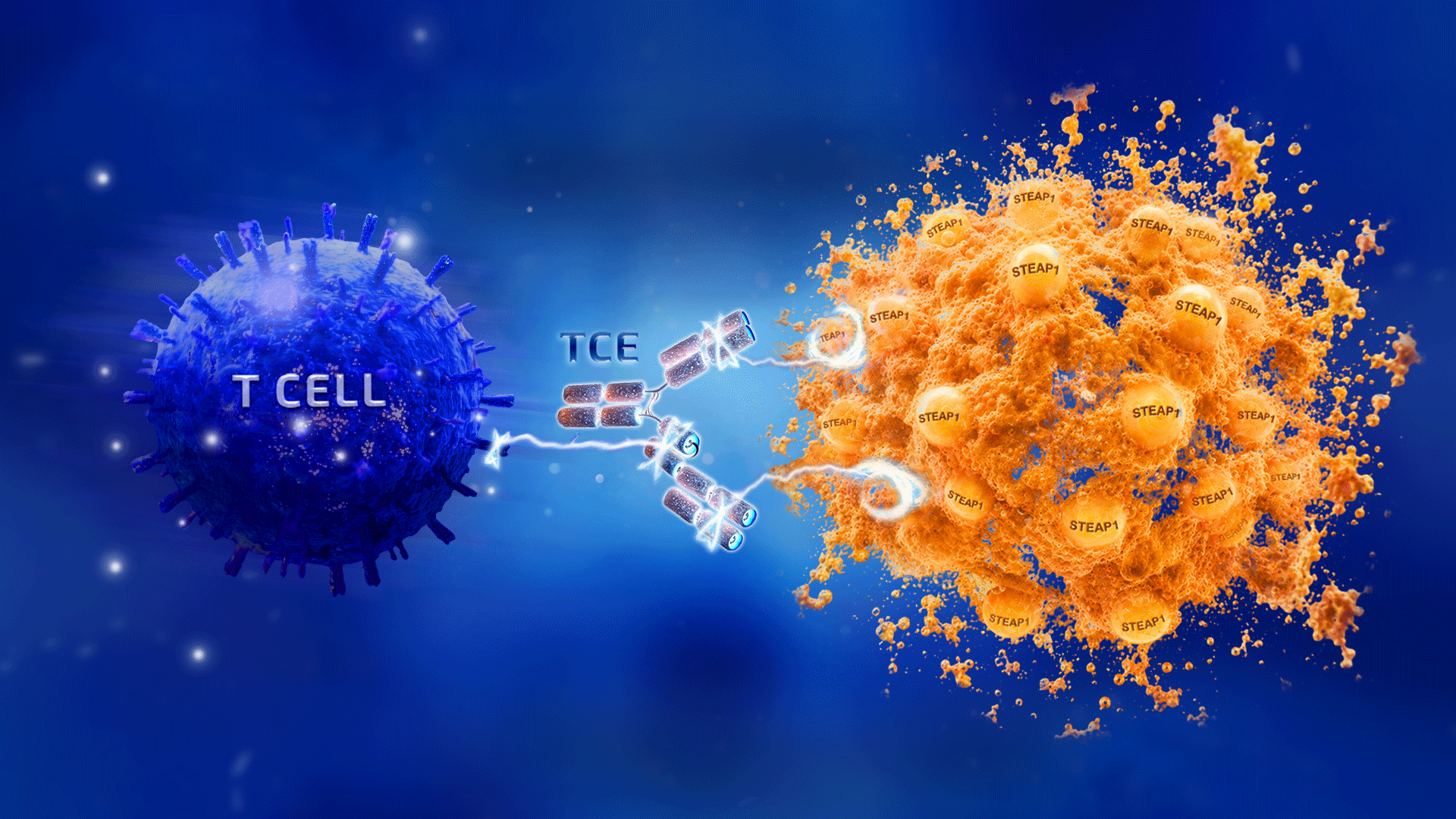
ATTACK
Activated T cells may induce apoptosis of tumor cells6
T-cell engager therapies are designed to activate T cells to target and destroy specific cells, a process that can also result in the release of cytokines. This cytokine release can lead to cytokine release syndrome (CRS), a known effect associated with T-cell engager therapies. CRS is characterized by fever and can range in severity; in more serious cases, it may lead to organ dysfunction. Clinical approaches are available for the recognition and management of CRS based on its grade.
Over the past decade, Amgen has pioneered TCE technology in tough-to-treat cancers, including acute lymphoblastic leukemia and small cell lung cancer7-10
CD3, cluster of differentiation 3; CRS, cytokine release syndrome.
INVESTIGATING STEAP1: A POTENTIAL
THERAPEUTIC TARGET
WHY ARE RESEARCHERS INTERESTED IN STEAP1 IN mAPMR PROSTATE CANCER?
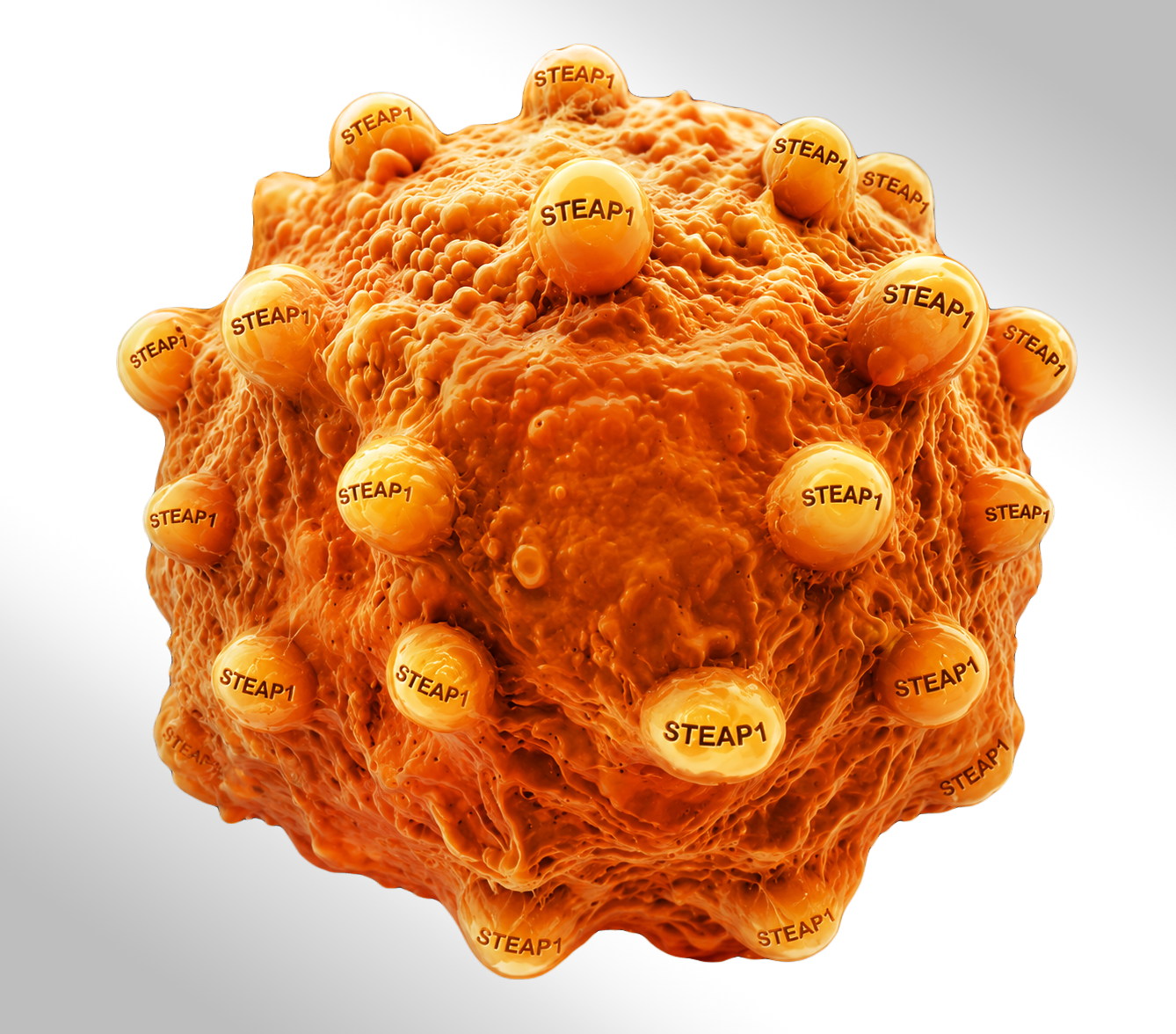
STEAP1 is a cell-surface protein expressed on prostate cancer cells that is being explored as a potential target for T-cell engagement.
STEAP1 is overexpressed in ~95% of prostate tumors1
- STEAP1 is also found in bone and lymph node metastases1
- Expression of STEAP1 remains high across stages of prostate cancer, suggesting a viable target for a broad range of patients11
STEAP1 expression is low or absent in healthy tissue1
- Despite its broad prevalence in prostate tumors, expression of STEAP1 is low or absent in healthy tissue, supporting its investigation as a potential therapeutic target1

STEAP1 is overexpressed in ~95% of prostate tumors1
- STEAP1 is also found in bone and lymph node metastases1
- Expression of STEAP1 remains high across stages of prostate cancer, suggesting a viable target for a broad range of patients11
Slide to reveal
STEAP1 expression is low or absent in healthy tissue1
- Despite its broad prevalence in prostate tumors, expression of STEAP1 is low or absent in healthy tissue, supporting its investigation as a potential therapeutic target1
Slide to reveal
Investigational STEAP1-targeted TCE technology has the potential
to bring the power of immunotherapy to mAPMR prostate cancer4
mAPMR PROSTATE CANCER REMAINS A DEVASTATING DISEASE
DESPITE ADVANCES IN TREATMENT, SIGNIFICANT UNMET NEEDS REMAIN FOR PATIENTS2
~14-15
MONTHS MEDIAN OVERALL SURVIVAL
FOR PATIENTS WITH POST-TAXANE
mAPMR PROSTATE CANCER12-14
~58%
OF PATIENTS
DON'T RECEIVE SECOND-LINE
OR LATER THERAPY15
THE CLINICAL BENEFIT OF IMMUNE CHECKPOINT INHIBITORS IS LIMITED IN mAPMR PROSTATE CANCER
Unlike many other tumor types, immune checkpoint inhibitors have shown limited efficacy in prostate cancer. This is largely due to its immunologically "cold" tumor biology, characterized by:17,18

LOW MUTATIONAL BURDEN

LIMITED T-CELL
INFILTRATION

AN IMMUNOSUPPRESSIVE MICROENVIRONMENT
Patients with mAPMR prostate cancer face a challenging
diagnosis—underscoring the need to continue advancing care
YOU'VE EXPANDED YOUR KNOWLEDGE ABOUT INVESTIGATIONAL STEAP1-TARGETING TCE TECHNOLOGY FOR mAPMR PROSTATE CANCER
~85%
~90%
~95%
Less than half
More than half
Nearly all
A high mutational burden
Extensive T-cell
infiltration
An immunosuppressive microenvironment
References: 1. Decato BE, Yang Z, Vengco I, et al. American Association for Cancer Research (AACR) annual meeting 2025; April 2025; Chicago, IL. 2. Chowdhury S, Bjartell A, Lumen N, et al. Target Oncol. 2020;15:301-315. 3. Albayrak G, Wan PK-T, Fisher K, et al. Br J Cancer. 2025;133:1241-1249. 4. Kelly WK, Appleman L, Lin C-C, et al. European Society of Medical Oncology Congress; September 2024; Barcelona, Spain. 5. Baeuerle PA, Sauer K, Grieshaber-Bouyer R, et al. J Exp Med. 2026;223(2):e20251652. 6. Spinazzola A, Iannantuono GM, Gulley JL, et al. Front Immunol. 2025;16:1665838. 7. Amgen FDA approval. 8. Amgen FDA approval SCLC. 9. Rudin CM, Brambilla E, Faivre-Finn C, et al. Nat Rev Dis Primers. 2021;7:3. 10. American Cancer Society. https://www.cancer.org/cancer/types/acute-lymphocytic-leukemia/treating.html. Accessed August 18, 2026. 11. Barroca-Ferreira J, Pais JP, Santos MM, et al. Curr Cancer Drug Targets. 2018;18:222-230. 12. de Bono JS, Oudard S, Ozguroglu M, et al. Lancet. 2010;376:1147-1154. 13. de Wit R, de Bono J, Sternberg CN, et al. N Engl J Med. 2019;381:2506-18. 14. Sartor O, de Bono J, Chi KN, et al. N Engl J Med. 2021;385:1091-103. 15. Freedland SJ, Davis M, Epstein AJ, et al. Prostate Cancer Prostatic Dis. 2023; 27:327–333. 16. Hofman MS, Emmett L, Sandhu S, et al. Lancet Oncol 2024;25:99-107. 17. Qi Z, Xu Z, Zhang L, et al. Nat Commun. 2022;13:182. 18. Wang I, Song L, Wang BY, et al. Am J Clin Exp Urol 2022;10:210-233.